As the global travel landscape continues to evolve, U.S. hotels are navigating complex dynamics influenced by international travel trends. While the current situation presents short-term challenges, experts believe it could ultimately catalyze long-term growth in the hospitality sector.
Short-Term Challenges for U.S. Hotels
International travel has recently faced several hurdles, impacting U.S. hotels in the short term. These challenges include fluctuating travel restrictions, varying vaccination rates, and geopolitical uncertainties, collectively influencing international tourist flows.
- Travel Restrictions and Uncertainty: Ongoing changes in travel policies and restrictions have created uncertainty that affects both travellers and hotel operators. Restrictions on international flights, quarantine requirements, and fluctuating entry regulations contribute to a more complex environment for managing bookings and operations.
- Economic and Geopolitical Factors: Economic instability and geopolitical tensions can influence international travel patterns. These factors might decrease travel from certain regions, impacting hotel occupancy rates and revenue.
Despite these immediate concerns, the resilience and adaptability of U.S. hotels are crucial in addressing these short-term obstacles. Many hotels are responding by implementing flexible booking policies, enhancing health and safety protocols, and targeting domestic travellers to mitigate the impact of reduced international guest numbers.
Long-Term Prospects for Growth
Looking beyond the current challenges, international travel holds promising prospects for long-term growth in the U.S. hotel sector. Global travel's recovery and eventual resurgence are expected to drive increased demand and opportunities for U.S. hotels.
- Growing Global Interest: As international travel rebounds, the interest in U.S. destinations remains strong. The allure of diverse cultural experiences, iconic landmarks, and world-class amenities continues to attract tourists from around the globe. This sustained interest is expected to translate into higher hotel bookings and increased revenue over time.
- Diversified Revenue Streams: The return of international travellers can lead to diversified revenue streams for U.S. hotels. Beyond traditional room bookings, hotels can benefit from increased spending on ancillary services such as dining, entertainment, and local excursions, enhancing profitability.
- Enhanced Global Connectivity: The gradual easing of travel restrictions and improvements in global connectivity are likely to facilitate a more robust flow of international guests. Hotels that adapt to changing trends and invest in strategic marketing and partnerships can capitalize on this trend to capture a larger global market share.
Adapting to the Evolving Landscape
U.S. hotels must continue to adapt and innovate to harness the long-term potential of international travel. Strategies to consider include:
- Enhancing Guest Experience: Delivering exceptional guest experiences can help hotels build a strong reputation and attract repeat international visitors. This includes offering personalized services, leveraging technology for seamless interactions, and maintaining high cleanliness and safety standards.
- Expanding Global Reach: Developing targeted marketing campaigns to reach potential international travellers and forming partnerships with global travel agencies can increase visibility and attract diverse guests.
- Investing in Technology: Embracing technology to streamline operations, enhance guest engagement, and provide valuable insights can help hotels stay competitive in the evolving market.
Global Comparisons and Local Insights
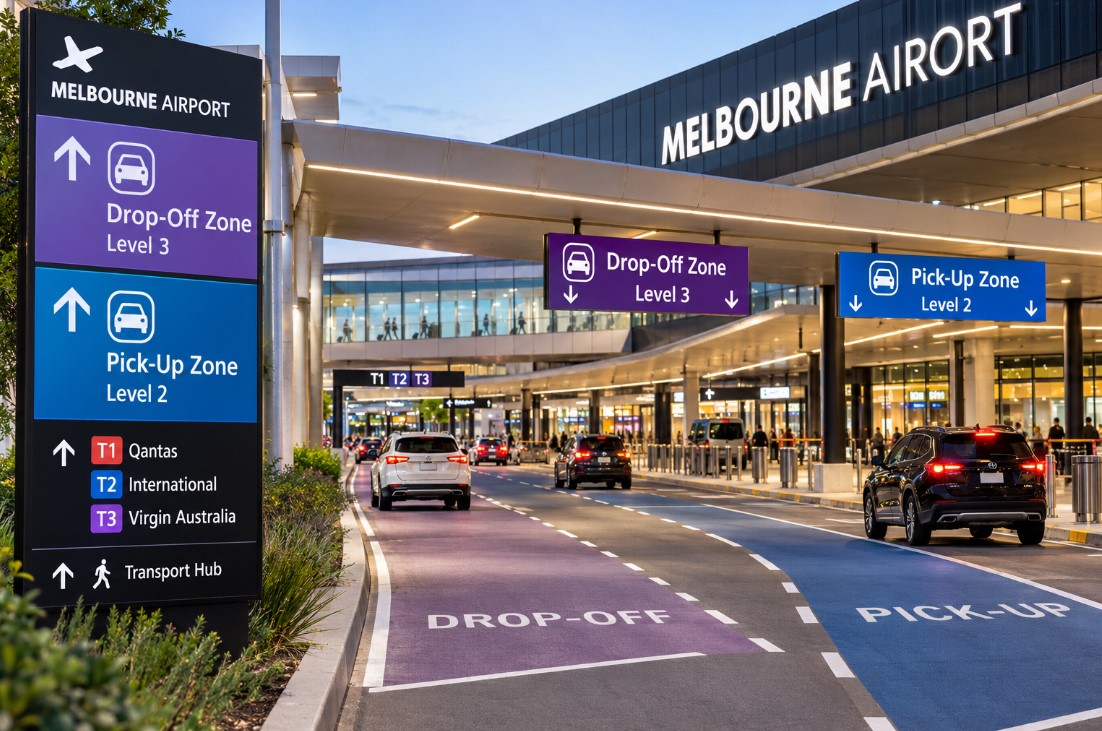
While the U.S. hotel industry is grappling with these challenges and opportunities, similar trends are observed in other parts of the world. For example, hotels in Melbourne are also adapting to new travel trends by enhancing their offerings to attract domestic and international guests. Melbourne’s accommodation sector has seen increased interest in flexible and fully furnished options, catering to travellers seeking longer stays and home-like comforts. This trend highlights the global nature of the hospitality industry's evolution and the shared focus on adapting to changing traveller expectations.
In conclusion, while international travel presents short-term challenges for U.S. hotels, it also offers significant long-term opportunities. By flexibly navigating the current landscape and preparing for the eventual recovery, hotels can position themselves for sustained growth and success in the global hospitality market.